

Precision Auto Parts and Quality Control Standards
Modern vehicle systems rely heavily on precision auto parts to maintain safety, operational efficiency, and long-term mechanical reliability. Automotive manufacturers require extremely high dimensional accuracy and strict quality management throughout the production process.
As electric vehicles and intelligent transportation technologies continue to evolve, precision manufacturing standards have become increasingly demanding.
Importance of Precision Auto Parts
Automotive components operate under:
Mechanical vibration
High temperatures
Dynamic loading conditions
Long operational cycles
Because of these conditions, precision auto parts must maintain stable dimensional tolerances and structural reliability throughout their service life.
Even small dimensional deviations may affect vehicle safety and assembly performance.
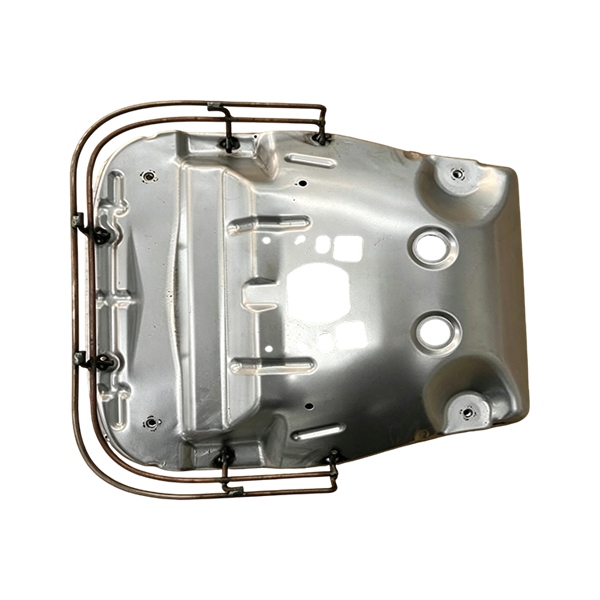
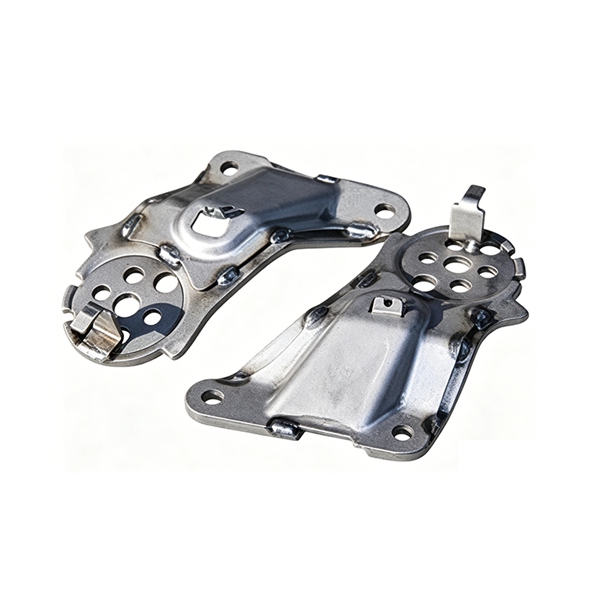
Manufacturing Accuracy in Automotive Production
Modern automotive manufacturing frequently uses:
Precision metal stamping
CNC machining
Laser cutting
Robotic welding
Automated inspection systems
These technologies improve consistency and production repeatability.
Tight tolerance control is especially critical for engine systems, chassis assemblies, and transmission components.
Material Selection for Automotive Components
A professional precision auto parts manufacturer must carefully evaluate material properties such as:
Tensile strength
Fatigue resistance
Corrosion resistance
Weight reduction performance
Common automotive materials include:
High-strength steel
Aluminum alloys
Stainless steel
Advanced composite materials
Quality Control Systems and Inspection Methods
Automotive quality control systems often include:
Coordinate measuring machines (CMM)
Optical inspection systems
Statistical process control (SPC)
Surface roughness analysis
Material hardness testing
Continuous inspection helps ensure consistent product quality during large-scale production.
Automotive Industry Certification Standards
Reliable precision auto parts suppliers commonly comply with:
IATF 16949
ISO 9001
PPAP requirements
APQP standards
These systems improve process control and supply chain consistency.
Surface Treatment and Corrosion Protection
Automotive components may receive:
Zinc plating
Powder coating
Anodizing
Electrophoretic coating
Surface treatment improves durability and environmental resistance.
Supply Chain Reliability and Traceability
Material traceability is essential for automotive safety management. Manufacturers typically maintain:
Batch identification systems
Production records
Material certifications
Inspection documentation
This improves product accountability and quality assurance.
Future Trends in Precision Automotive Manufacturing
The automotive industry is increasingly focused on:
Lightweight materials
Electric vehicle components
Automated manufacturing
Smart quality inspection systems
These trends continue driving innovation in precision auto parts manufacturing technology.
Conclusion
High-quality precision auto parts are essential for ensuring vehicle safety, production consistency, and long-term operational reliability. Strict quality management systems and advanced manufacturing technologies remain critical for meeting modern automotive industry standards.
References
IATF 16949 Automotive Quality Standards
SAE International Automotive Engineering Papers
Journal of Manufacturing Systems
International Journal of Automotive Technology