

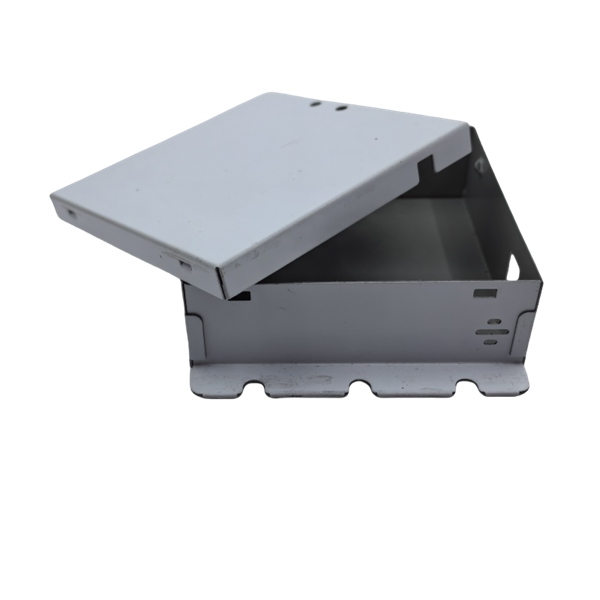
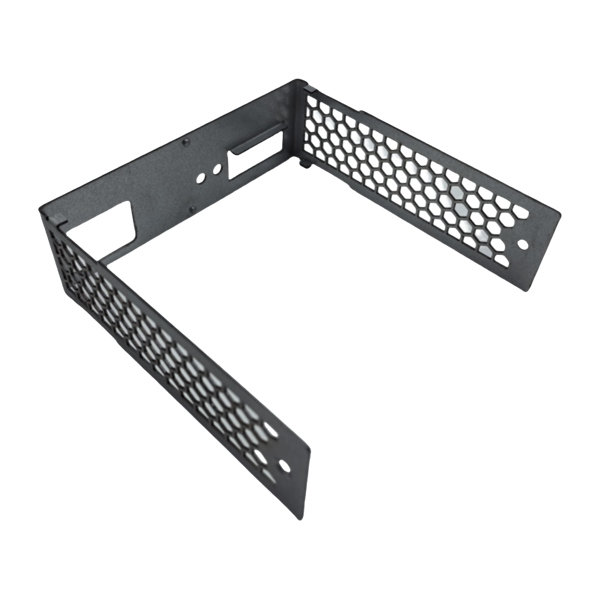
Precision metal stamping parts are critical components used in modern industrial manufacturing where dimensional accuracy, production consistency, and high-volume efficiency are required. These components are produced through specialized stamping processes that shape metal sheets into precise forms using dies, presses, and engineered tooling systems.
Industries such as automotive manufacturing, electronics, aerospace, telecommunications, and industrial automation increasingly depend on precision stamping technology to achieve scalable and cost-effective production.
Understanding Precision Metal Stamping Parts
The manufacturing process for precision metal stamping parts involves placing sheet metal into a stamping press where a die forms, cuts, bends, or shapes the material into a finished component.
Unlike traditional fabrication methods, precision stamping is optimized for:
High-volume production
Tight dimensional tolerances
Repeatable manufacturing consistency
Reduced material waste
This process enables manufacturers to produce complex geometries with excellent production speed.
How the Metal Stamping Process Works
Precision stamping operations may include:
Blanking
Piercing
Bending
Forming
Deep drawing
Coining
Modern stamping systems frequently use progressive dies where multiple operations occur sequentially in a single production cycle.
This automation improves production efficiency while maintaining consistent quality across large manufacturing volumes.
Materials Used in Precision Stamping
A wide range of metals can be used to manufacture precision metal stamping parts, including:
Stainless steel
Aluminum
Carbon steel
Copper alloys
Brass
Galvanized steel
Material selection depends on application requirements such as corrosion resistance, conductivity, structural strength, and weight reduction.
For automotive and electronics applications, lightweight aluminum and corrosion-resistant stainless steel are especially common.
Advantages of Precision Metal Stamping
One of the primary advantages of precision stamping is its ability to maintain tight tolerances during high-volume production.
Additional benefits include:
Lower manufacturing cost per unit
Faster production cycles
Improved repeatability
High dimensional accuracy
Reduced secondary machining requirements
These advantages make stamping highly suitable for OEM manufacturing environments.
Progressive Die Technology Explained
Progressive die stamping allows multiple forming operations to occur within one tooling system. As the metal strip advances through the die stations, each stage performs a specific operation until the finished part is completed.
This method significantly improves:
Production speed
Process automation
Dimensional consistency
Labor efficiency
Many modern precision metal stamping parts are manufactured using progressive die systems because of their scalability and precision control.
Applications in Modern Manufacturing
Precision stamping technology is widely used in:
Automotive structural components
Electronic connectors
Appliance hardware
Medical devices
Industrial brackets
Telecommunications equipment
The ability to manufacture lightweight yet structurally reliable components makes stamping technology increasingly valuable in modern engineering industries.
Quality Control and Tolerance Standards
High-quality precision metal stamping parts require strict quality inspection procedures throughout the production process.
Inspection methods often include:
Dimensional measurement
Surface defect inspection
Coordinate measuring machine (CMM) analysis
Material hardness testing
Statistical process control (SPC)
Manufacturers commonly follow standards such as ISO 9001, IATF 16949, and ASTM specifications.
Choosing a Reliable Stamping Manufacturer
Selecting a professional stamping manufacturer requires evaluating:
Tooling capability
Production capacity
Material traceability
Quality management systems
Engineering support
Reliable manufacturers provide stable production consistency and long-term supply chain reliability.
Conclusion
Modern precision metal stamping parts play a vital role in industrial manufacturing by delivering high-volume production efficiency, dimensional precision, and repeatable product quality.
As industries continue demanding lighter, stronger, and more complex metal components, precision metal stamping parts will remain an essential manufacturing solution for global industrial applications.
References
Kalpakjian, S., Manufacturing Engineering and Technology
ASM Handbook – Metalworking and Forming Processes
Journal of Materials Processing Technology
International Journal of Advanced Manufacturing Technology